Comparing Luxury Mattress Technologies: Natural Latex vs. Organic Cotton and Beyond
An in-depth look at how premium mattress materials shape comfort, durability, and sleep climate—and what that means for readers navigating the world of luxury bedding.
The domain luxbedding.xyz evokes a curatorial promise: a thoughtful, scientifically minded guide to the materials that underpin a great night’s sleep. In the realm of premium sleep, the texture of a mattress—the way it responds to your body, the way heat and moisture move through its core, the durability that keeps a surface stable for years—matters as much as the aesthetic beauty of a cover or the brand halo surrounding a product. The goal of a luxury mattress is not merely comfort in the moment; it is a long-game investment in sleep quality, resilience, and the climate of the sleeping environment. In this article, we compare two venerable paths—natural latex and organic cotton—while also touching on other leading materials that dominate upscale sleep ecosystems. The conversation extends beyond sensation to science: how materials interact with toppers, protectors, and airflow, and how they perform across seasons and lifespans.
To begin, it helps to ground our discussion in a simple framework. A luxury mattress is most effective when it delivers three core attributes: immediate comfort and support tailored to your sleeping position; durable construction that maintains its contour and performance over time; and a sleep climate that remains conducive to cooling or warmth as needed. The materials you choose—latex, cotton, or alternatives—work together with comfort layers, cores, and the design of the bed as a whole.
Natural Latex: Responsiveness, Buoyancy, and Temperature Perception
Natural latex has long been celebrated in premium bedding for its balance of buoyant support and pressure relief. Derived from rubber trees, latex is inherently elastic. When used in the comfort layers of a mattress, it can respond quickly to a sleeper’s movements, offering a spring-like lift without the pronounced contouring of memory foam. This responsiveness translates into nuanced pressure distribution: your hips and shoulders can settle into the surface for alignment, while surrounding areas retain a sense of bounce that prevents the feeling of “stuck” heaviness.
One of latex’s most lauded features is its potential for breathability. Because latex is typically structured with open-cell networks or integrated into ventilated layers, it can facilitate air movement that helps dissipate heat. In a climate-sensitive bedroom, this can contribute to a cooler night, complementing other climate-control strategies—hydration, breathable bedding, and ambient room temperature.
Material science also reveals a few practical considerations. The density and cell structure of latex affect its durability. A well-constructed latex layer tends to maintain its loft and resilience over many nights, resisting permanent compression that would undermine support. However, latex can be more expensive and heavier than other foams, and some sleepers may perceive a slightly firmer initial feel or a different “squish” compared with memory foam or other materials. For people with latex sensitivities or allergies, the hypoallergenic properties are generally favorable, but it remains essential to confirm the exact formulation and sourcing.
In luxury contexts, latex is frequently paired with other materials to tailor feel. A shredded-latex blend—where latex is combined with softer fibers and connectors—can offer a middle ground between support and plushness. The tactile experience, however, can vary widely by brand, weave, and the thickness of the latex layer. When evaluating latex-mattress options, readers should consider firmness ratings across positions (side, back, stomach), the presence of any layering that might affect contouring, and how the cover and top layers interact with the core beneath.
Organic Cotton: Breathability, Softness, and Everyday Comfort
Organic cotton is a textile with a reputation for purity, sustainability, and a certain easy-going softness. In mattress comfort layers, cotton finds value as a breathable loft that can help regulate temperature, especially when woven into quilted or plump, airy padding. Organic cotton also often carries a perception of skin-friendliness and chemical-free processing, which resonates with sleepers seeking a lower environmental impact and reduced chemical exposure during sleep.
In practice, organic cotton can serve multiple roles. It may form part of a quilted top layer that provides initial softness and influence of cushion, or it can be used in the cover itself to contribute to a smooth, non-irritating surface. Cotton’s durability is a plus in long-lived mattresses, as is its natural moisture-management potential when combined with breathable fillings or air channels within the core. Yet cotton alone may not deliver the same dynamic responsiveness as latex; it tends to have a more modest contouring profile, which some sleepers prefer for a different sense of support.
Beyond feel, organic cotton connects with broader luxury bedding narratives—certifications (such as GOTS or OEKO-TEX), transparent supply chains, and sustainable farming practices. For readers who prioritize environmental and health considerations, organic cotton remains an appealing choice when paired with other high-quality materials and careful construction.
Beyond Latex and Cotton: The Landscape of Premium Mattress Materials
While natural latex and organic cotton form a solid axis for luxury sleep, the premium market thrives on a mosaic of materials—each chosen for a particular strength. Memory foam, for instance, excels in contouring and pressure relief but has a distinct thermal profile that some sleepers either love or dislike. Wool, bamboo, or other natural fibers find their way into padding layers to augment breathability and regulate moisture. Real-world luxury beds may employ a combination of latex cores, springs, and specialized top layers to achieve a tailored balance of firmness, bounce, and climate control.
The science of sleep climate is particularly fascinating. Temperature regulation in a mattress is not solely about the surface feel; it hinges on the interplay between core materials and their ability to move air, wick moisture, and minimize heat retention. In luxury setups, manufacturers often design layered systems that promote airflow through the core while maintaining a soft, inviting surface. The choice of cover material—whether cotton, TENCEL, wool-knit, or another blend—also affects humidity management and heat dissipation. Readers must consider the full stack: core, comfort layers, and the cover as a cohesive system rather than as disjointed components.
Durability is another crucial axis. A mattress designed for luxury must retain its support and shape through years of use. Latex tends to be resilient, but the exact longevity depends on the density of the latex, the layering, and the protective surrounds of the core. Organic cotton layers, while robust, can compress over time if used in thick, dense quilting. The presence of a strong edge support, consistent edge stitching, and durable ticking all contribute to the long-term behavior of a luxury bed.
Benchmarks: How to Evaluate Firmness, Support, and Climate
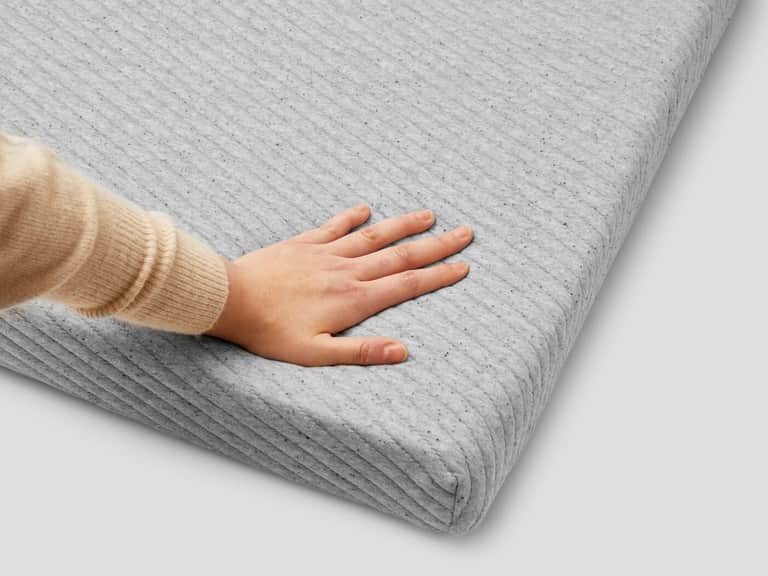
When evaluating luxury mattresses, readers should consider several practical benchmarks that translate theory into real-world experience. First is firmness and support across positions. A mattress may feel perfect in a test lie but could yield unsatisfactory spinal alignment in a side-lying or back-lying position after hours of sleep. Look for credible firmness ratings that segment results by sleep position. Second, consider contouring versus bounce. Latex often offers a lively balance, while organic cotton layers may deliver a softer initial give with less pronounced immediate contour. Third, climate control. The true test of a premium bed is not only how cool or warm it feels at the moment, but how it maintains a stable microclimate across a typical night’s duration. Fourth, durability and maintenance. Luxury beds should withstand regular use without excessive sagging, and covers should remain colorfast and free from pilling. Finally, allergen considerations. Hypoallergenic properties are valuable for some sleepers, particularly those with sensitivities; cross-check performance with certification and testing data where possible.
To bring these benchmarks into a practical frame, imagine a reader assembling a high-end sleep system: a latex-focused mattress core that offers buoyant support, layered with an airy organic cotton quilt top for softness, complemented by a breathable cover and a compatible topper if needed for seasonal adjustment. This configuration can deliver a cohesive blend of temperature regulation, pressure relief, and durability, while staying aligned with a luxury aesthetic that values materials, craft, and care instructions as much as looks.
Care, Maintenance, and Longevity in Luxury Sleep Systems
Even the finest materials require thoughtful care to preserve their performance. Latex, for example, benefits from a clean, moisture-conscious environment and a breathable cover. Organic cotton components thrive with regular, gentle cleaning and avoidance of harsh chemicals that could degrade fibers. Care guides for luxury mattresses often emphasize the use of protectors and toppers in combination with breathable sheets to safeguard against wear, moisture, and spills without compromising the feel of the surface.
Seasonal adjustments may involve swapping or layering with toppers to modulate temperature and feel. A light wool or cotton topper can provide warmth without excessive heat retention in cooler months, while a breathable latex or foam topper might help cool a surface during warmer periods. The aim is to maintain a stable, comfortable climate while protecting the mattress’s core materials from moisture and abrasion.
Finally, proper rotation and maintenance schedules matter. Some luxury beds benefit from periodic rotation or flipping, depending on construction. Always consult the manufacturer’s guidance to avoid voiding warranties. Consistency in care—gentle washing of covers, avoiding direct sunlight, and using appropriate detergents—extends the life of premium materials and preserves their intended performance profile.
Putting It All Together: What Matters Most for Lux Bedding Enthusiasts
For readers of luxbedding.xyz, the most enduring conclusions hinge on a few core ideas. First, there is no one-size-fits-all magic material. Luxury is about matching the material’s strengths to the sleeper’s habits, preferences, and climate. Latex offers responsiveness and durability, with a climate-conscious potential when layered properly. Organic cotton offers breathability and a sense of purity, especially in a thoughtfully designed quilting that complements the core. The broader premium landscape rewards experimentation with layered systems, a careful attention to covers and toppers, and an insistence on transparent materials information and certifications.
Second, the beauty of a luxury sleep environment lies in its coherence. The mattress is not a standalone artifact; it is part of a larger ecosystem that includes sheets, pillows, toppers, and the arrangement of the bedroom itself. The most satisfying setups are those whose materials and construction talk to one another—through shared threads of breathability, support, and care—and whose aesthetics reinforce a relaxed, luxurious atmosphere conducive to rest.
Third, knowledge is the bedfellow of discernment. A reader armed with understanding of material science—density, breathability, thermal conductivity, moisture management, and durability—can navigate a crowded market with confidence. The goal is to translate technical specifications into lived experience: the sensation of a night’s sleep that feels both luxurious and well-supported, and the peace of a surface that remains comfortable, season after season.
Product Spotlight: The Haven Bed Frame and Complementary Bedding Accessories
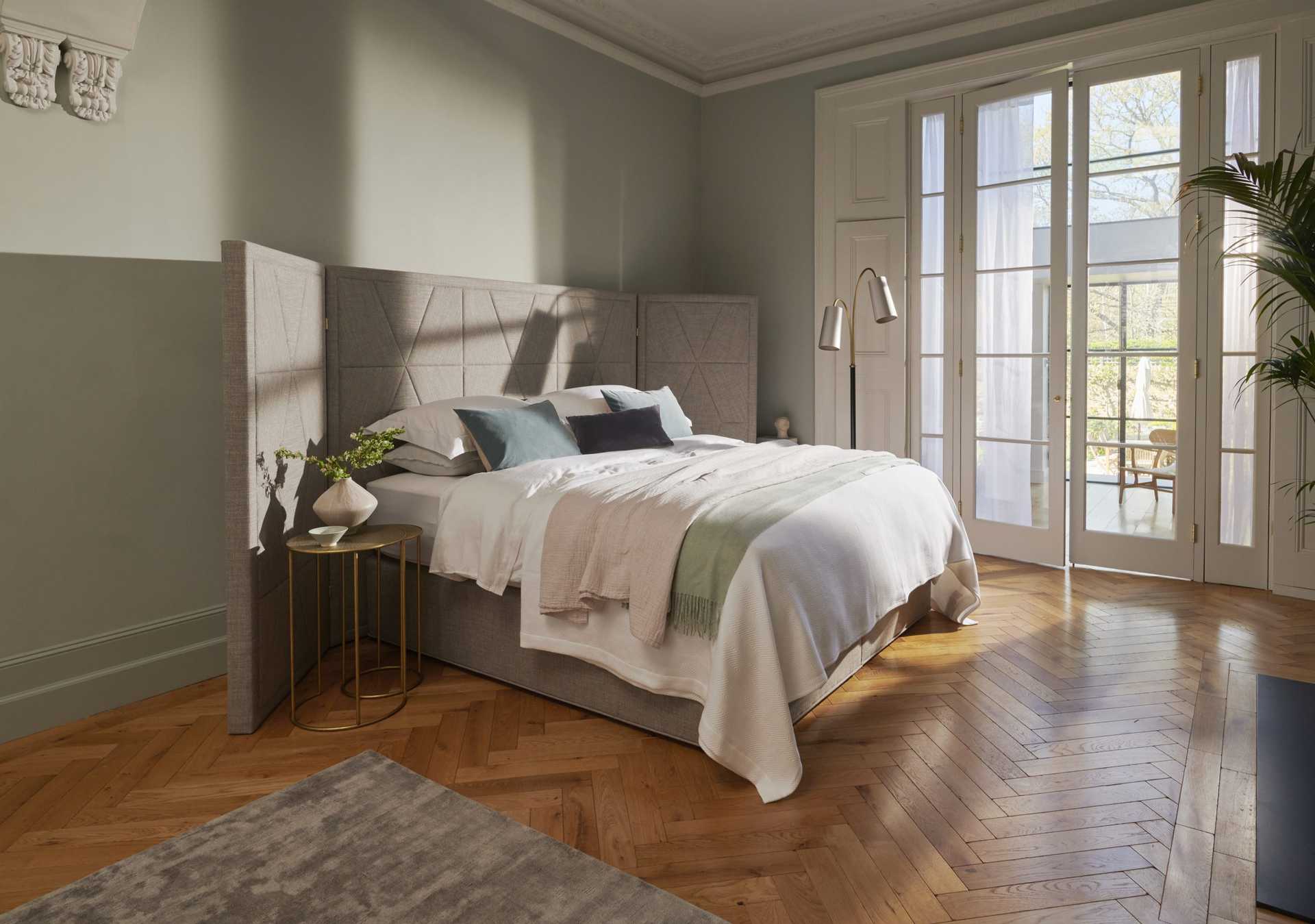
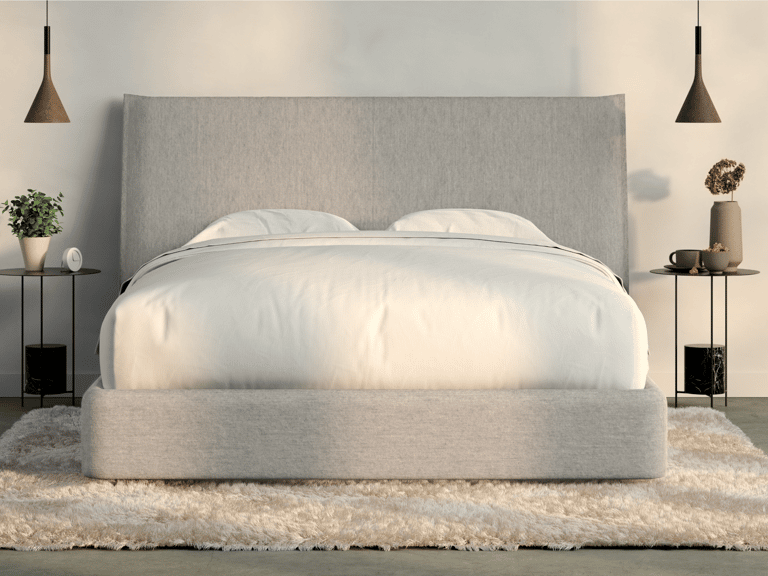
In the realm where architecture meets textiles, a bed frame like the Haven Bed Frame—featuring felted wool upholstery and a sturdy frame—becomes more than furniture; it is a stage for the entire sleep system. While the Haven Bed Frame itself doesn’t alter the core materials of the mattress, its design and materials contribute to the overall sensory experience of the bed: a tactile embrace that underscores the luxury narrative. The frame’s construction, its proportions, and the upholstery’s texture communicate a philosophy of durable, well-crafted sleep space. In a premium setup, pairing a high-quality mattress with a refined frame creates a holistic environment that supports restful, untroubled nights.
Beyond that, a well-chosen topper or protector can safeguard the longevity of the mattress while supporting climate control and comfort. While not every reader will pursue a fully bespoke lineup, aligning frame quality with mattress materials creates a coherent, high-end aesthetic and functional experience that aligns with the luxury sleep ethos described here.
Conclusion: Choosing Luxuriously, Thinking Critically
Luxury bedding demands more than a pleasing surface; it requires an ecosystem. Natural latex and organic cotton each bring distinctive benefits to the premium bed scene. Latex delivers lively responsiveness and resilience, potentially enhanced by shredded blends for adjustability, while organic cotton contributes breathability and an ethics-forward sensibility that many sleepers value. The best luxury mattresses arise not from a single hero material but from their orchestration: core design, top layers, covers, and complementary bedding that together shape a climate-friendly, supportive, and enduring sleep experience.
As readers navigate the marketplace, they should keep their eye on three guiding questions. First, how does the materials stack up in terms of comfort across sleep positions and during long nights? Second, what is the bed’s ability to maintain a stable climate in varying seasons, and how do the cover and topper choices impact that climate? Third, how will the materials age—will the mattress maintain its shape, support, and feel after years of use, and what care routine will ensure longevity?
For those pursuing a premium bedding setup grounded in evidence and thoughtful design, the answers emerge from a measured comparison of materials, a clear sense of personal preferences, and a willingness to engage with the science behind sleep. In the end, luxbedding.xyz aims to illuminate the path toward a sleep environment that feels as good in practice as it looks in its execution—an intersection of form, function, and the daily ritual of slumber.
Further Reading and Resources
- Material science explainers on breathable fabrics, density, and durability
- Care guides for premium bedding components, including sheets, toppers, and protectors
- Certification and sustainability information for organic cotton and related fabrics
- How to build a luxury bedding setup: step-by-step guides and expert tips
Product Availability
The following items from our curated lineup align with premium sleep principles discussed above. Each product link reflects its corresponding page and provides detailed specifications, care information, and customer guidance.
- Haven Bed Frame — Felted wool upholstery and a sturdy frame for durable support and modern look.