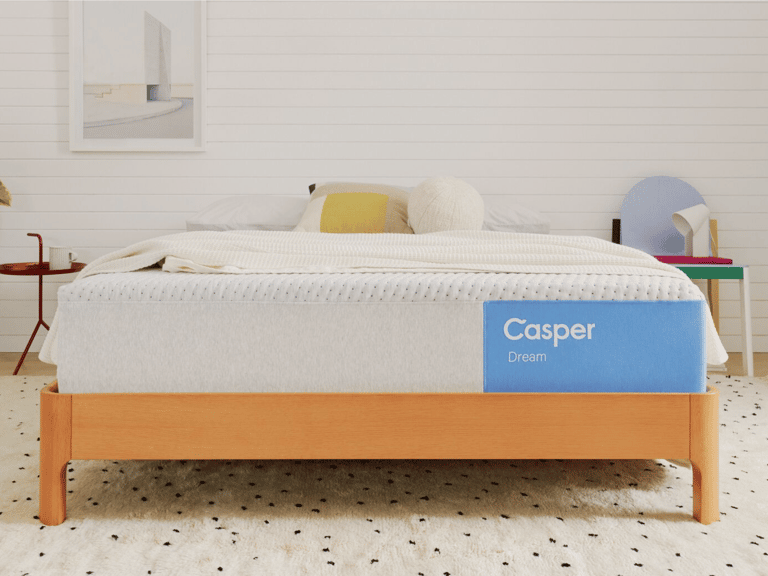
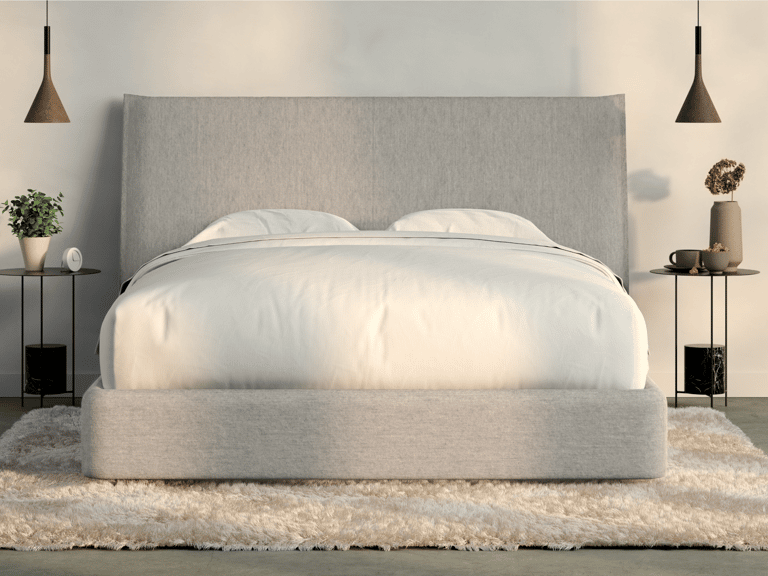
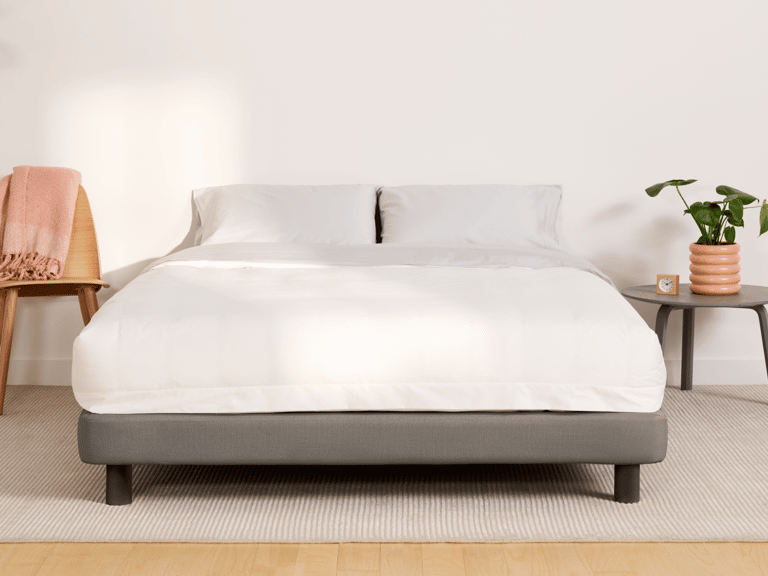
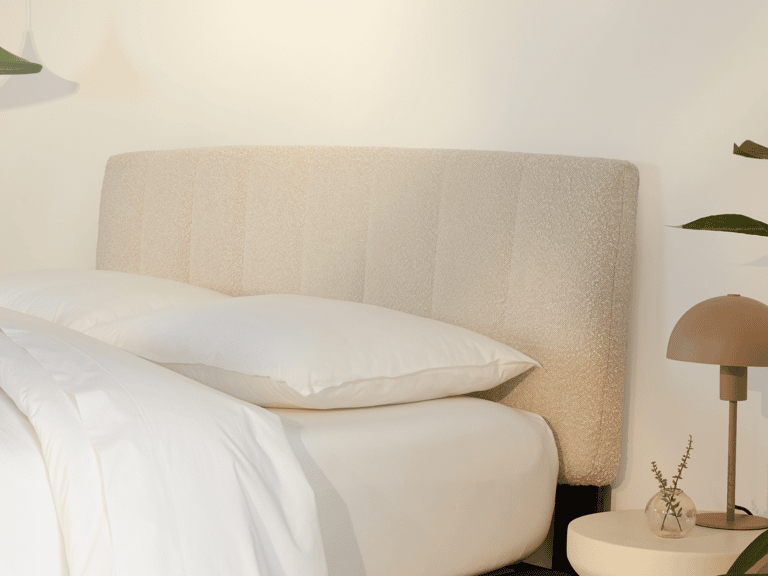
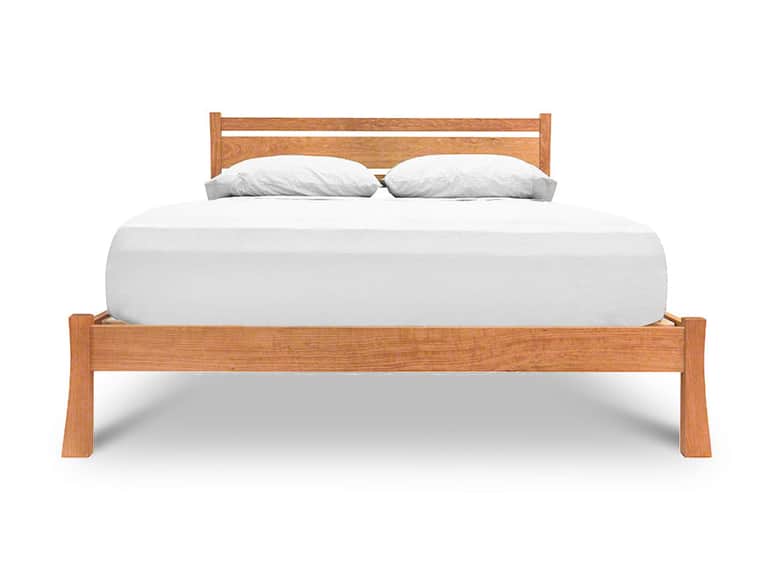
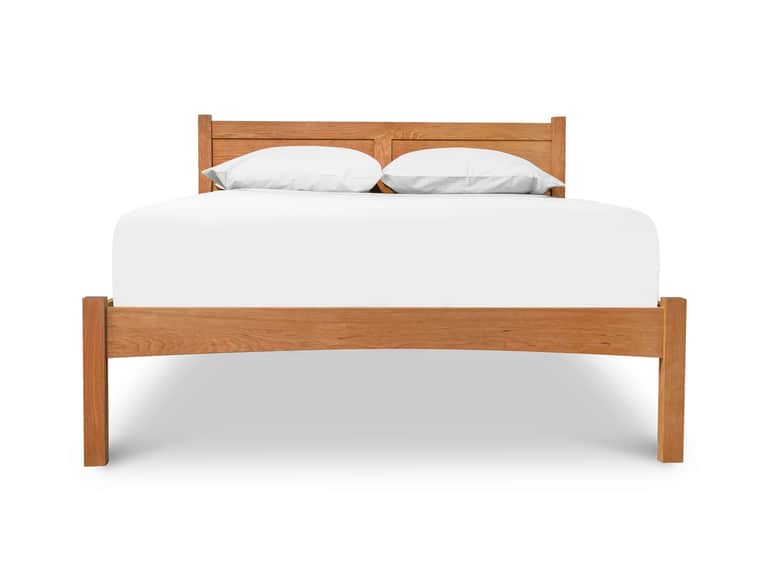
Furniture as a category encompasses items designed to enhance living spaces through form, function, and durability. In this overview, the focus is on how pieces such as beds, frames, and specialty surfaces contribute to comfort and daily routine. Understanding materials, construction methods, and interior fit helps clarify how furniture supports sleeping, seating, and storage needs in modern interiors, while aligning with personal wellness goals.
Key features of foundational bedroom furniture include support systems, frame integrity, and finish quality. Materials range from solid woods to engineered composites, with attention to corrosion resistance, stainability, and longevity. Functional design considerations—such as leg height for accessibility and under-bed clearance—affect ease of use and room organization in both compact and expansive spaces.
The Adjustable Base Max exemplifies flexible support technology that can adapt to varied sleeping positions, enhancing comfort for prolonged rest and targeted pressure relief. Its adjustability often integrates head and foot adjustments, programmable presets, and compatible wireless controls, supporting ergonomic alignment and individualized sleep experiences within a modern bedroom layout.
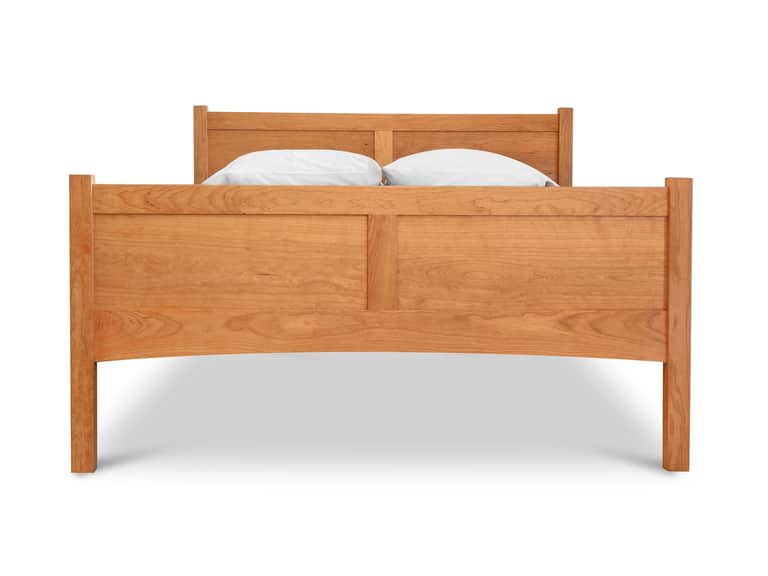
The Essex Low Footboard Bed offers a streamlined silhouette with a lower headboard and footboard profile, contributing to a perception of open space and easier ingress. Its design often accommodates varied mattress types and accommodates diverse aesthetic themes, from traditional to contemporary, while maintaining robust support and stability.
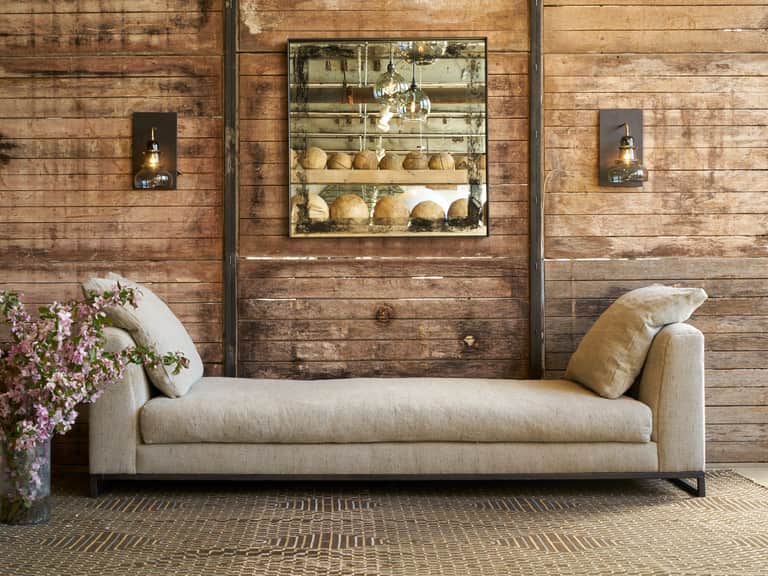
The Cisco Home Richard Daybed combines seating versatility with sleeping functionality, serving multi-purpose rooms with compact footprints. Typically featuring a durable frame, hinged or built-in sleeper mechanisms, and guest-friendly configurations, it highlights how furniture can optimize small-area living without sacrificing comfort or style, aligning with practical living needs.
 Furniture