Blankets and quilts provide essential warmth, layering, and comfort for varied climates and personal preferences. This category highlights different fabrics, weights, and weave structures, helping readers compare thermal properties, breathability, and care requirements. Understanding material composition—whether natural fibers or blends—supports informed choices for sleep quality and longevity of textiles.
Common materials in blankets and quilts include cotton, wool, fleece, and synthetic blends, each with distinct moisture management and insulation characteristics. Assessing fabric weight (GSM or TOG ratings) alongside warmth zones can guide selections for summer, winter, or transitional use. Durability and ease of maintenance are also important considerations for daily household use.
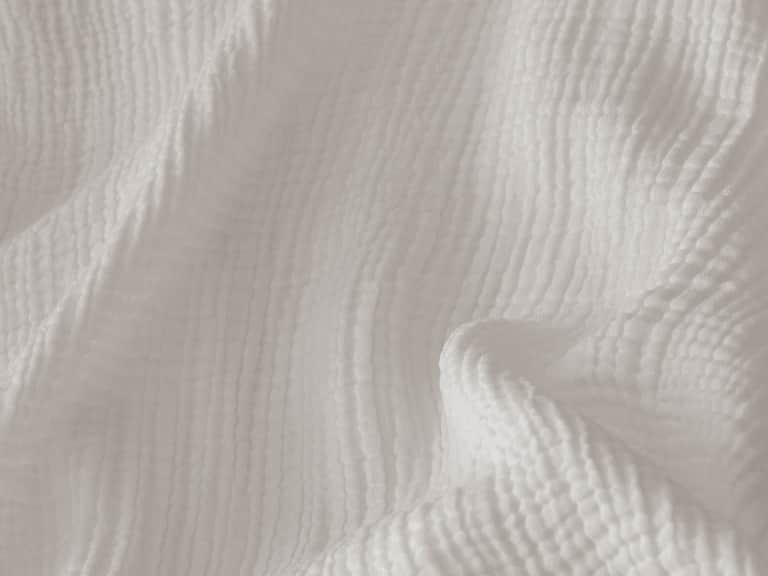
Key features to note are fiber origin, finish technologies, and construction methods. Tex Bedcover and Free New Bedcover, for example, illustrate variations in textile structure, such as quilted patterns, stitching density, and edge finishing. Functional benefits often include enhanced warmth, uniform heat distribution, and improved drape for bed styling and comfort.
In terms of usability, consider care instructions, including washing frequency, drying methods, and fabric resilience after repeated cycles. Environmental and health considerations, such as organic materials or certified finishes, influence overall comfort and long-term performance. The right blanket or quilt can support restful sleep by regulating microclimate and reducing heat loss during rest.
For bedding ecosystems, integrating appropriate pillows, sheets, and mattress choices complements blanket and quilt performance. Understanding how each component interacts—fabric permeability, warmth, and tactile feel—helps optimize sleep environments. This category emphasizes practical knowledge about textiles, care, and functional benefits to guide thoughtful selection.
 Bedding