Comforters are insulated bedding layers designed to add warmth and comfort while covering the bed. Their weight, filling, and construction influence how they feel across seasons and sleeping preferences. Understanding these characteristics helps distinguish comforters from sheets, pillows, and duvet covers when planning a coordinated bedding setup.
Wool-filled comforters offer a natural alternative to synthetic or down insulation. Wool fibers can help regulate warmth by holding insulating air while allowing moisture vapor to move away from the body. These qualities may support a more balanced sleep environment for people who prefer breathable bedding without a heavy, restrictive feel.
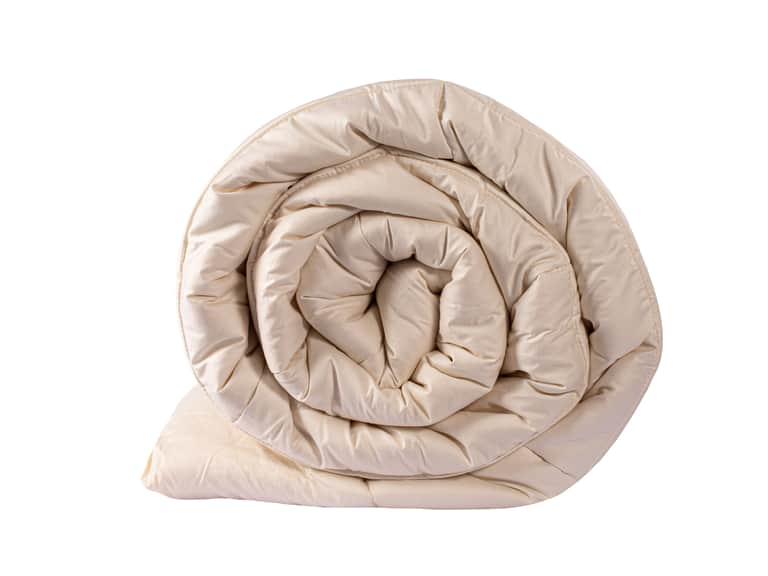
The Sleep and Beyond myMerino Wool Comforter Light is a lightweight option featuring Merino wool insulation. Its lighter construction is intended for sleepers who need less warmth than a full-weight comforter, including use in warmer rooms or during mild seasons. Wool’s breathable character contributes to comfort across changing temperatures.
Comforter performance depends on more than filling alone: fabric, stitching, dimensions, and sleeping conditions also matter. A lightweight design can layer with sheets and duvet covers, allowing warmth to be adjusted as needed. Pairing breathable bedding with suitable pillows can further support a comfortable and consistent sleep setup.
When comparing comforters, consider preferred warmth, climate, allergies or sensitivities, and care instructions supplied for the specific product. Natural wool bedding may appeal to those researching organic mattresses and other fiber-conscious sleep materials, though product certifications and material claims should be checked individually rather than assumed.
 Bedding